Spring reset after winter exposure
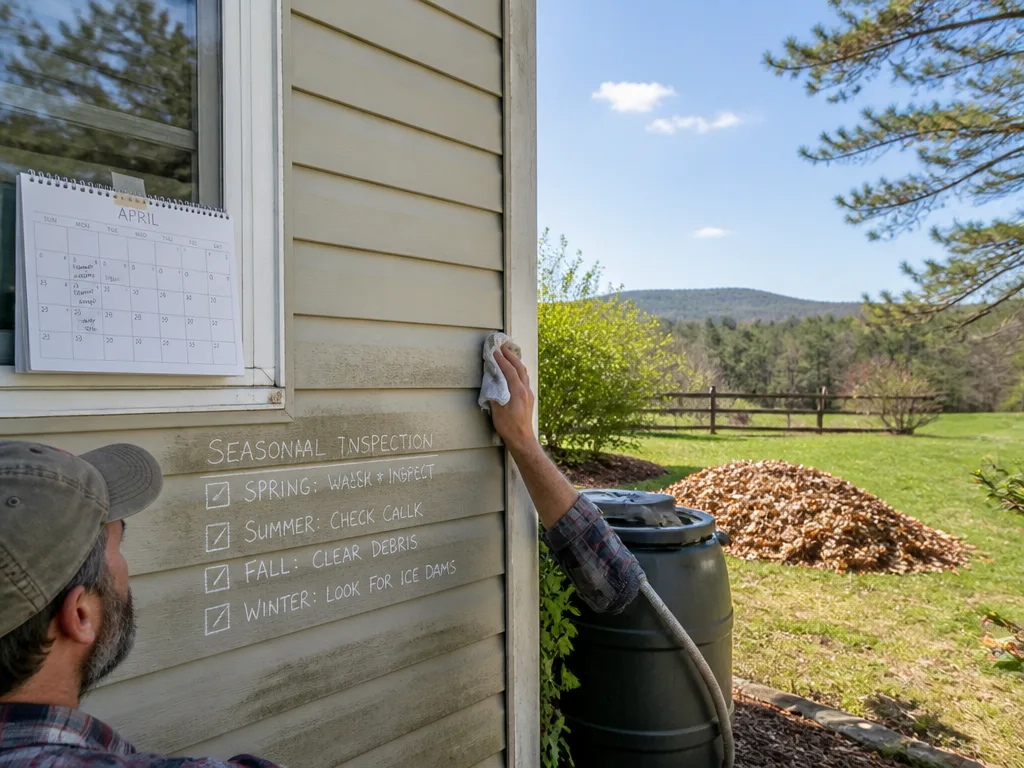
Winter can take a toll on siding across Pennsylvania. Start spring with a gentle cleaning to remove salt residue, dirt, and mildew. Use a soft brush and a mild cleaner, avoiding high pressure that can damage panels. While you’re at it, inspect the bottom edge of siding for any grit buildup that could trap moisture and scrape away with a plastic scraper if needed.
Pay attention to gutters and downspouts; ensure they’re clear and directing water away from the foundation. Clogged gutters can back up and push moisture toward siding corners. A quick check now saves you from bigger repairs later.
Summer: watch for heat and humidity effects
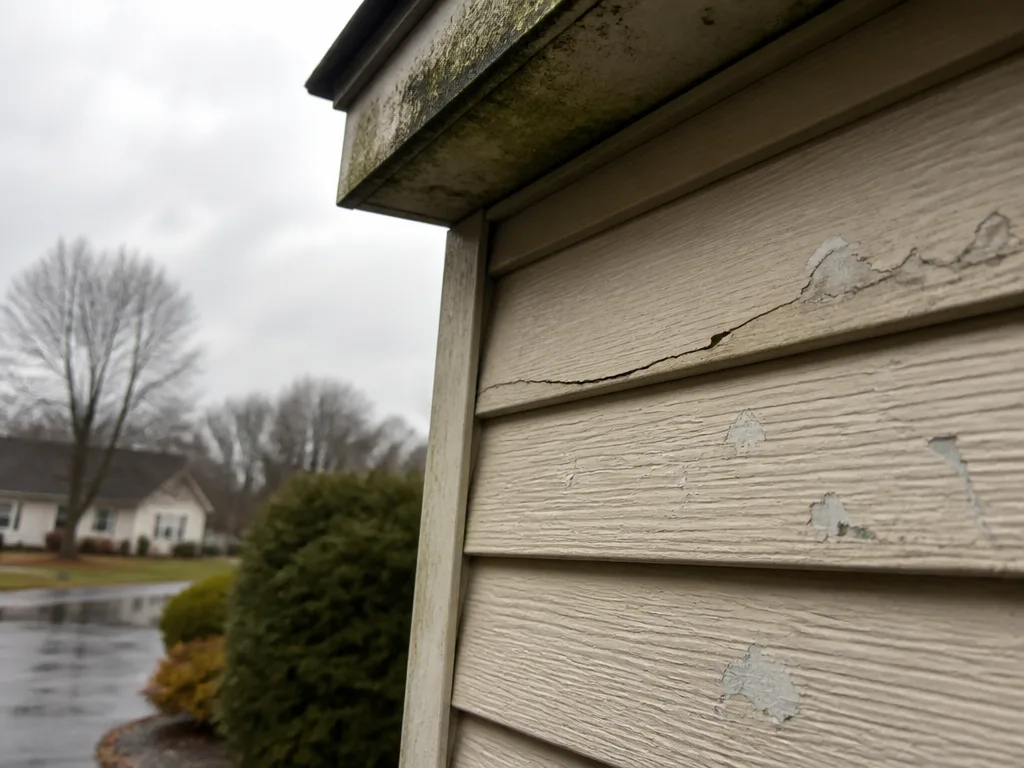
During Pennsylvania summers, some materials expand and contract with heat. Look for loose screws or nails and reseal any gaps around trim and joints. Inspect any areas where paint is peeling or faded, which can indicate underlying moisture. If you see cracking in caulk joints, re-caulking can prevent water intrusion when storms roll through.
Ventilation behind the siding matters too. Ensure vents along soffits are clear and not blocked by debris. Proper airflow helps keep the wall system stable and can prolong the life of the siding you have now.
Fall and preparation for winter
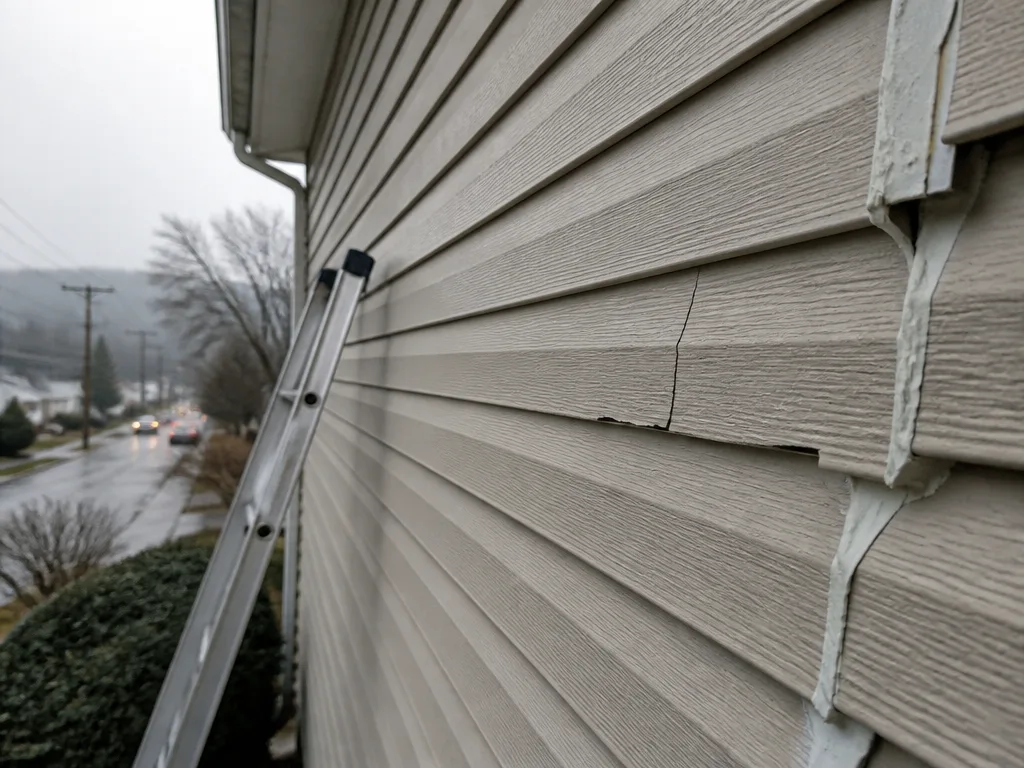
As temperatures dip, check for loose pieces and secure them before winter winds pick up. In Pennsylvania, freeze-thaw cycles can widen small cracks into bigger problems. Reseal joints around windows and doors if you notice gaps. If you see rot or soft spots, plan a professional assessment before snow arrives.
Choose a maintenance plan that aligns with your home. Our crews across Pennsylvania can help you set up a seasonal schedule, including inspections and touch-ups that fit your budget and climate. Regular attention now helps you avoid costly fixes later.